Loading...
Insights
Typhoon Safety: What to Do Before, During and After a Typhoon
Thu, Sep 10•3 min read
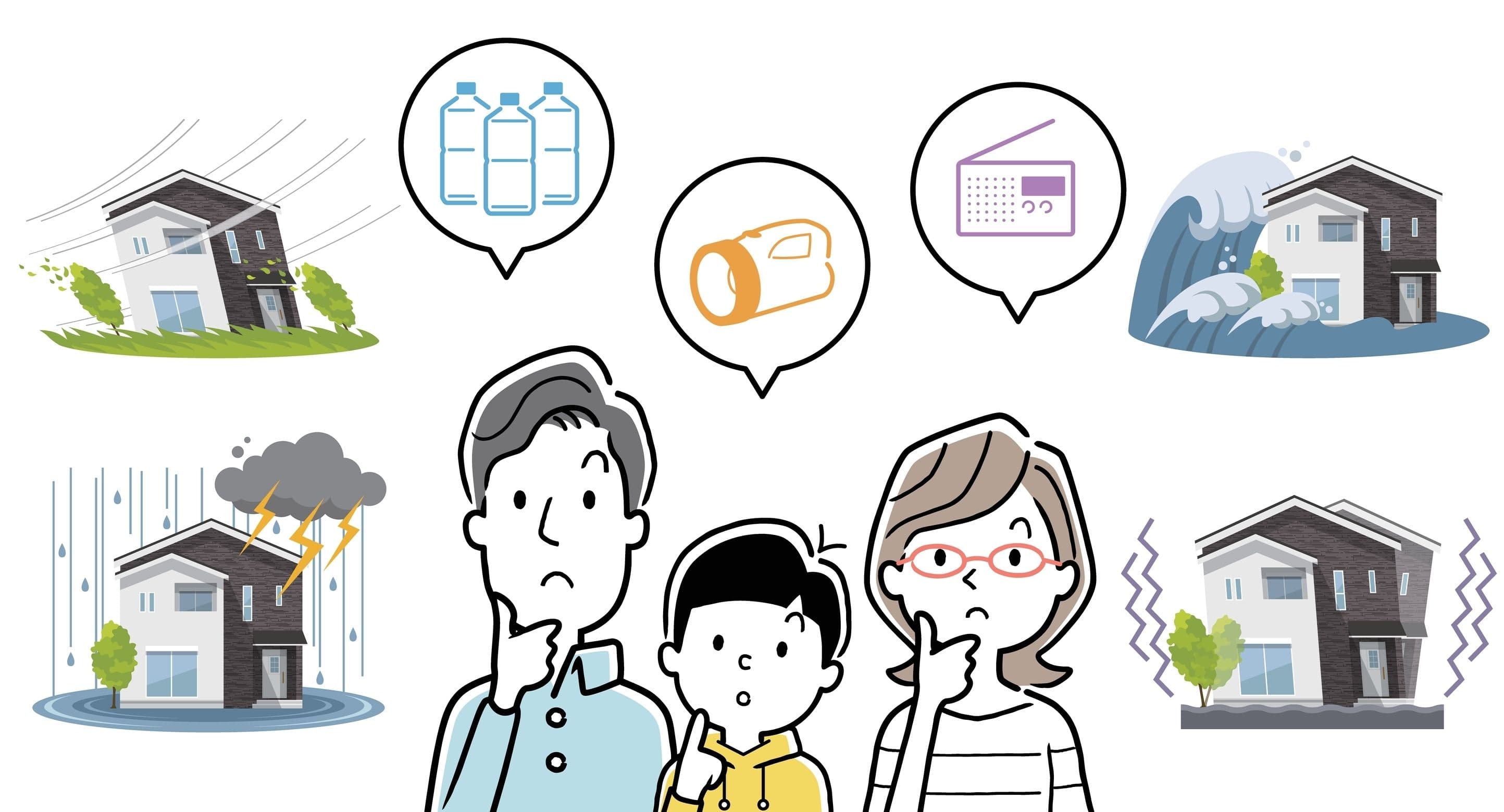
Typhoons can strike with little warning, turning peaceful days into chaotic ones. As the winds howl and rain pours, it's crucial to stay calm, prepared, and informed. Surviving a storm isn’t just about waiting it out—it’s about having a solid plan to protect yourself and your loved ones. Here’s a typhoon safety guide on what to do before, during, and after the storms to help keep your family safe.
Understanding Typhoons
Typhoons are powerful tropical storms characterized by strong winds, heavy rains, flooding, and storm surges. Forming over warm ocean waters, they can cause widespread damage to coastal and inland areas alike. These storms are categorized based on wind speed and intensity. Understanding the strength and potential hazards of an approaching typhoon allows you to create a typhoon safety plan to prepare for it.
Preparing Your Home
The first line of defense is your home. Here is a simple and easy storm preparation plan to keep your property storm-proof.
1. Inspect your roof for loose sheets or weak fasteners. Secure them properly to avoid being blown off by strong winds.
2. Seal windows and doors. Installing storm shutters or boarding windows with plywood helps protect against flying debris.
3. Clear your yard. Secure or bring indoors any loose items like outdoor furniture, tools, or garbage bins.
4. Trim trees and shrubs. Remove dead branches that could break off and cause damage.
5. Clean gutters and drains to ensure proper water flow and reduce the risk of flooding.
6. Inside your home, identify a safe room—preferably on the lowest floor, away from windows and exterior walls—where your family can shelter during the storm.
Assemble an Emergency Kit
A well-stocked emergency kit can make a huge difference. Your storm preparation plan should include stocking supplies that can last at least three days, including:
1. Drinking water (at least one gallon per person per day)
2. Non-perishable food (canned goods, energy bars, dried fruits)
3. Manual can opener
4. An emergency kit checklist that includes first aid medical supplies and prescription medications
5. Flashlights with extra batteries
6. Battery-powered or hand-crank radio
7. Personal hygiene items (wet wipes, sanitizers, sanitary products). You may want to include this as part of your emergency kit checklist.
8. Blankets, extra clothes, and supplies for infants or pets
9. Important documents stored in a waterproof container
Create a Family Emergency Plan
Sit down with your family to discuss what to do if a typhoon strikes.
1. Decide on a safe room where everyone can gather.
2. Designate an emergency contact person outside your home, whom everyone can call if you get separated.
3. Agree on a meeting place in case evacuation is necessary.
4. Practice emergency drills regularly.
5. Learn how to shut off utilities like water, gas, and electricity.
6. Familiarize yourselves with local evacuation routes and shelters.
Stay Informed
Reliable information saves lives. Monitor trusted sources like PAGASA weather updates, local news, and official weather apps for real-time updates. Sign up to the NDRRMC alert on your phone so you know if the rainfall warning will hit an Orange or Red level. Unless absolutely critical, DO NOT LEAVE THE HOUSE ON A RED ALERT.
Have a battery-powered or hand-crank radio ready in case of power or internet outages. Follow local government social media accounts and community alert systems. Heed evacuation orders or emergency warnings from the NDRRMC without delay.
What to Do During the Typhoon
When the typhoon hits:
1. Stay indoors, in your designated safe room.
2. Stay away from windows, glass doors, and exterior walls.
3. Do not be fooled by a sudden lull—it could be the eye of the storm. Before making a decision to move, check the PAGASA weather updates and heed the NDRRMC alert to help you decide.
4. Unplug appliances to avoid damage from power surges.
5. Avoid using electrical devices during severe weather.
6. If advised to evacuate, do so immediately. Never attempt to drive through flooded roads.
What to do After the Storm
Once the typhoon has passed:
1. Wait for official announcements before leaving your shelter.
2. Watch out for downed power lines, debris, and flooded areas.
3. Wear protective gear like gloves and sturdy shoes when inspecting your home.
4. Document any damage for insurance claims.
5. If there’s structural or electrical damage, seek professional help.
6. Contact your insurance provider promptly to start the claims process.
Community organizations and relief agencies may also provide support and resources for recovery.
Stay Prepared, Stay Protected
Typhoons are unpredictable, but preparation gives you the upper hand. By reinforcing your home, stocking essential supplies, and practicing your family emergency plan, you can weather the storm more safely. Stay informed, stay calm, and most importantly—stay ready.
Protect your home with insurance coverage. Learn more about House Protect by Standard Insurance at https://www.standard-insurance.com/products/HouseProtect/index.htm