Loading...
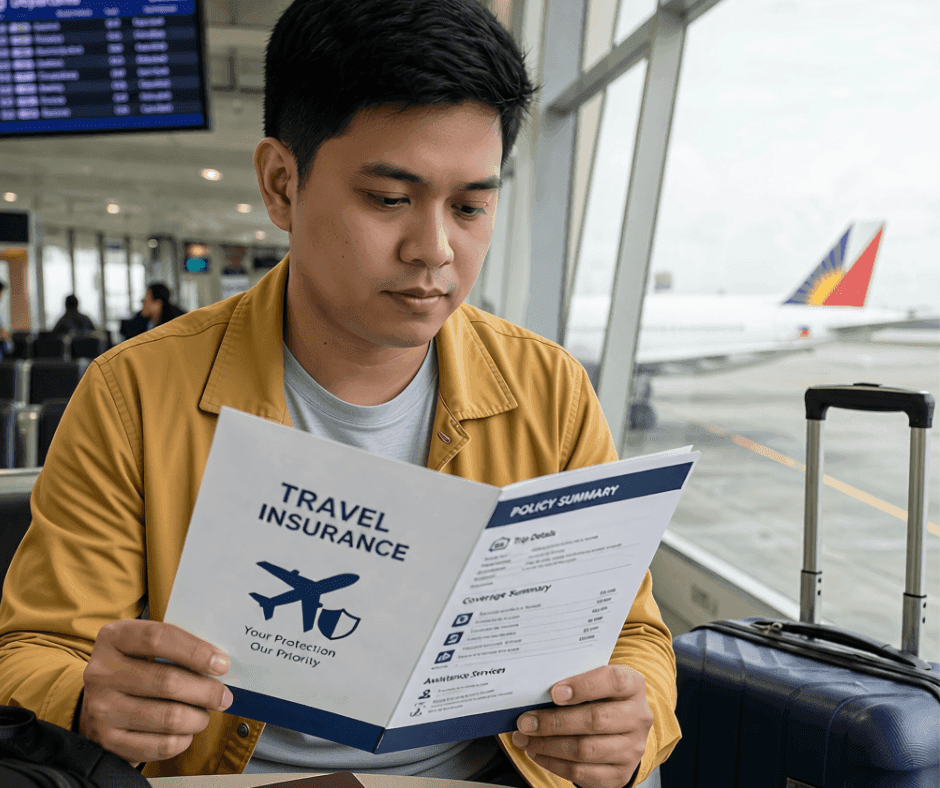
What does travel insurance with COVID coverage
include?
Travel insurance with COVID coverage usually means COVID-19 is covered under the medical part of an international travel insurance policy. If you test positive abroad and need care, the plan may help pay for hospital bills, doctor fees, emergency help, and sometimes medical transport, depending on the policy.
The key is to check your policy details. Some plans cover COVID-19 medical costs but do not pay for cancellation, lodging during quarantine, or flight changes caused by border rules. Other plans may cover some trip cancellation if you get sick before departure, but only if the policy says so.
Before buying travel insurance with covid coverage, Philippines travelers should read the benefits table and exclusions, not just the ad copy. A policy can say it covers COVID-19 and still limit when, where, and how that cover works.
Why COVID coverage still matters even after the
Pandemic
Even when travel feels normal again, COVID-related costs can still ruin a trip. A traveler may get too sick to keep going, need urgent care overseas, miss a flight after a medical delay, or need insurance papers for a visa. Standard Insurance policies can help, but only if COVID-19 is listed as a covered issue.
This matters most for trips to places with high health care costs or where insurance is part of the visa or entry rules. Someone buying for Schengen travel insurance, for example, should check that the plan meets embassy rules and includes emergency medical cover for the full trip.
COVID coverage is also useful for family trips with older travelers in the group, and those visiting countries where language barriers can make hospital help hard. A plan with 24/7 emergency help is a definite advantage.
Common benefits to look for in a policy
The best travel insurance option is not always the one with the longest list of perks. It is the one that fits your needs: your destination, trip cost, your health risks, and visa needs.
Look at these core benefits:
-
Emergency medical care: This is the most important part for COVID-related illness abroad. Check the maximum benefit and whether a hospital stay is needed. Schengen visa requires at least Php2.5M in coverage benefits.
-
COVID-19 medical cover: The policy should clearly say COVID-19 is covered as an illness, not just mention the pandemic in sales copy.
-
Emergency medical transport or return home: This can help if you need transport to another facility or back home for medical reasons.
-
Trip cancellation: Some plans cover cancellation if you test positive before departure, but many do not cover border rules or fear of infection.
-
Travel delay and other trouble: These may help with costs from covered delays, missed connections, baggage issues, or other problems.
-
24/7 help line: This is useful when you need help finding a clinic, setting up payment, or knowing what papers to send.
-
Visa rules: If you need Schengen travel insurance, check that the plan qualifies or is included in the List of Schegen visa qualified travel insurance providers.
A cheap plan can be useful for basic cover, but the cheapest travel insurance Philippines plan may not be enough for every trip. A low price is only a good deal if the cover is strong enough for your risk.
A practical comparison of Philippine travel insurance
options
Several providers in the Philippines offer travel insurance with COVID-related medical cover. Benefits, limits, and who can use it can change, so use this table as a starting point and always check the latest policy schedule before you pay.
|
Provider or plan type |
COVID-related feature to check |
Best fit for |
Watch out for |
|---|---|---|---|
|
Malayan Insurance Travel Master |
COVID-19 medical cover and possible trip cancellation if infection happens before travel, based on plan terms |
Schengen applicants, families, and travelers who want broad trip trouble cover |
Age limits, cancellation rules, and proof of infection |
|
BDO Insure travel insurance options |
Emergency medical care that may include COVID-19, subject to plan limits |
Travelers who want a local and easy-to-reach insurance channel |
Exact limits, covered places, and claim papers |
|
COVID-19 as a covered illness under medical benefits |
Travelers comparing price, destination cover, and visa needs |
Exclusions for pandemics, pre-existing conditions, or government rules |
|
|
Starr Insurance with assistance services |
COVID-19 travel medical cover abroad and help with care coordination |
Travelers choosing emergency support while overseas |
Whether post-return diagnosis, quarantine, or non-hospital costs are excluded |
This table does not replace policy wordings. Treat it as a short comparison table guide before buying.
What is often excluded from COVID travel insurance?
Many COVID-related problems happen because travelers think every pandemic-linked issue is covered. In real life, most plans split medical emergencies from travel trouble, government rules, and personal choice.
Common exclusions may include:
-
Trip cancellation because you worry about getting infected.
-
Flight changes because of border closures or government travel rules.
-
Lodging during quarantine if you are not hospitalized or told to isolate under covered terms.
-
COVID-19 diagnosis after you return to the Philippines, if the policy only covers the insured trip.
-
Claims tied to ignored travel advisories, missing papers, or failure to follow local health rules.
-
Pre-existing conditions, unless the policy gives a special benefit or waiver.
-
Routine tests needed for travel, unless the plan clearly covers them.
The main point is simple: do not guess. If you are buying travel insurance with covid coverage,
as if the benefit applies only to hospital care, to outpatient care, to pre-trip cancellation, to
quarantine, and to trip interruption. The answers can be very different from plan to plan.
Choosing cover for Schengen, Japan, and South
Korea trips
Different places call for different insurance choices. For Europe, Schengen travel insurance is often tied to visa rules, so compliance matters as much as price. Travelers should make sure the required medical cover amount (Php2.5M coverage) is adhered to, the policy includes covered countries, policy validity dates, and whether COVID-19 medical care is included.
For Japan and South Korea, travel insurance is not about entry papers. Travel Insurance Japam policies should cover enough medical coverage because healthcare is costly. The same is true with travel insurance Korea policies. Healthcare in those countries are not just costly, and travelers may need English-speaking help, hospital referrals, or payment support. When comparing plans for travel insurance Japan or travel insurance South Korea, put emergency medical limits, help services, and claim steps ahead of small savings.
For multi-country trips, make sure your international travel insurance covers every place you will visit and every transit point. A plan bought for one area may not cover a side trip, a layover issue, or a longer stay.
How should you compare plans before buying?
Compare plans by matching the cover to your real trip, not by picking the first low-cost result. The best travel insurance choice for a backpacker, a Schengen visa applicant, a family holiday, and a business traveler may be very different.
Use this quick checklist before you buy:
-
Confirm place cover. Check that every country on your trip is included, even stopovers when needed.
-
Check the COVID-19 wording. Look for clear cover for COVID-19 medical care abroad.
-
Review benefit limits. Medical cover should fit the health care cost in your destination.
-
Read exclusions. Focus on cancellation, quarantine, government rules, and pre-existing conditions.
-
Match visa rules. For Schengen travel insurance applications, make sure the certificate shows the details the embassy or visa center needs.
-
Check help access. Save the emergency hotline before you fly.
-
Understand claims. Know whether the insurer offers direct payment, payback, or both.
-
Compare total value. The cheapest travel insurance Philippines plan may work for a simple short trip, but a stronger plan may be wiser for longer or higher-risk travel.
A few minutes of comparison can stop a stressful surprise later. If anything is unclear, ask the insurer or agent to point you to the exact policy clause.
How do claims usually work if you get COVID-19
abroad?
If you get sick abroad, contact the insurer's emergency help line as soon as you can, especially before hospital admission when possible. The help team can say whether your case is covered, guide you to the right clinic, and tell you what papers to collect.
Most claims need proof of travel, a medical diagnosis, receipts, hospital records, and a filled-out claim form. For COVID-19, you may also need test results, a doctor certificate, discharge papers, and proof that care happened during the insured travel dates.
Keep digital and printed copies of everything. If the insurer offers direct payment with a hospital, follow the instructions closely. If you pay first and claim later, send the full file early so the process moves faster.
Smart buying tips for better cover
Buy travel insurance soon after you book your main trip costs, not at the last minute. Early purchase may matter for cancellation cover, and it gives you time to fix errors in your name, travel dates, or place list.
Choose cover based on your real risk. A short regional trip may need only basic protection, while a long Europe trip, cruise, older family trip, or costly holiday may need stronger medical and cancellation cover. If you are applying for a visa, ask for an insurance certificate that clearly shows the needed cover details.
Be honest on your application. Wrong travel dates, hidden health issues, or a wrong destination can cause troubles during claims. Travel insurance works best when the policy matches the trip you are really taking.
The takeaway
Travel insurance with COVID coverage is not just a pandemic-era extra. It is a practical layer of protection for medical emergencies, visa rules, and surprise travel trouble while abroad. For Filipino travelers, the right plan should combine clear COVID-19 medical cover, enough emergency limits, reliable help, and exclusions you understand before you leave.
Whether you are looking for travel insurance options, Schengen travel insurance, travel insurance Japan or travel insurance South Korea, compare beyond the price. Read the policy wording, confirm the COVID benefits, and choose the plan that fits your place, papers, and comfort level.