Loading...
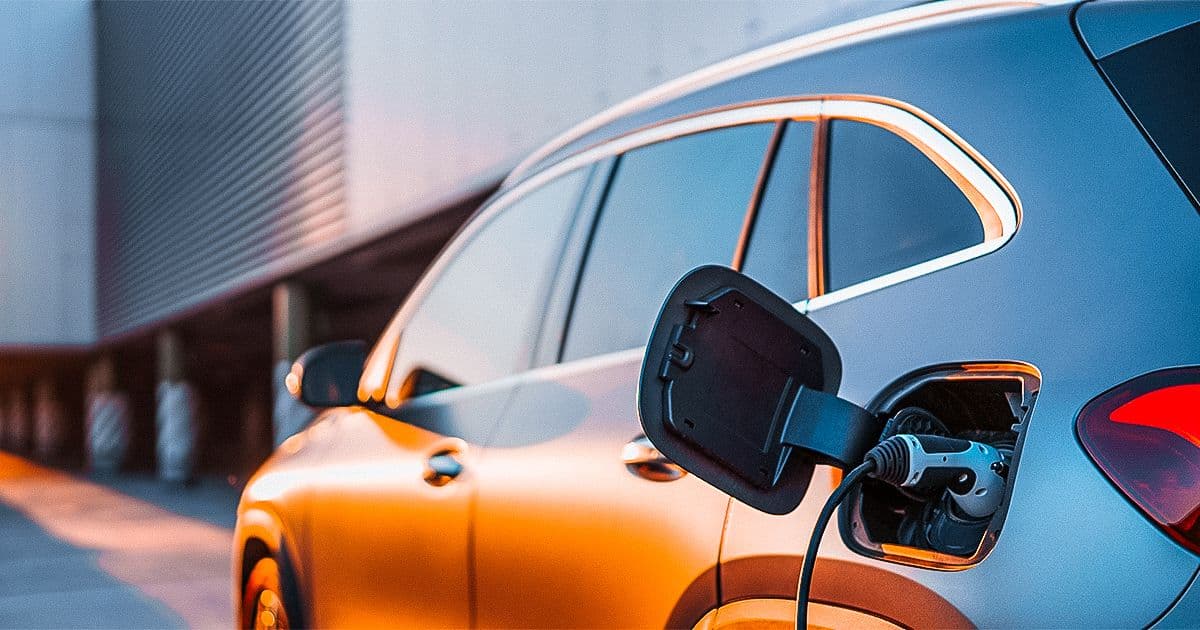
The Rise of Electric Vehicles
In 2026, electric vehicles (EVs) moved firmly into the mainstream, driven by high gasoline and diesel prices as well as advances in technology, a growing environmental awareness and a wider choice of models from major automakers.
The rapid expansion of charging stations and EV maintenance services also made electric vehicles more convenient to own and operate. With zero tailpipe emissions, EVs offer significant environmental benefits by helping reduce air pollution and carbon emissions, while improvements in battery technology delivered longer driving ranges, faster charging, and lower ownership costs.
The steep rise in gasoline and diesel prices due to the war in the Middle East was a major driving force behind their rise. Electric vehicles became cheaper and the cost of owning one has become more affordable. As if overnight, consumer's preference for electric vehicles over traditional combustion engine (ICE) cars dramatically shifted.
The automotive industry responded to this demand with a plethora of innovative and high-performing EV models in the market today.
The rise of electric vehicles in 2026 is not just a trend; it represents a fundamental shift in the way we think about transportation.
Importance of Specialized Insurance for Electric Vehicles
As the number of electric vehicles on the road continues to grow, the need for specialized EV insurance coverage has become more apparent. Traditional car insurance policies are often not tailored to the unique requirements of EVs, which can lead to gaps in coverage and higher out-of-pocket expenses for EV owners. Specialized insurance for electric vehicles addresses these specific needs, offering comprehensive coverage that takes into account the distinct features and potential risks associated with EVs.
One of the primary reasons a comprehensive EV insurance is essential is the cost of repairs and maintenance. Electric vehicles, while generally more reliable than their ICE counterparts, have unique components such as battery packs and electric drivetrains that can be expensive to repair or replace. Specialized EV insurance policies typically include coverage for these high-cost components, ensuring that EV owners are not left with exorbitant repair bills. Additionally, these policies often cover the cost of towing to the nearest charging station or EV-certified repair shop, providing peace of mind for EV owners who may find themselves stranded due to a dead battery or other issues.
Another critical aspect of comprehensive EV insurance for electric vehicles is the inclusion of coverage for charging equipment. Home charging stations and public charging infrastructure can be costly to install and maintain. Specialized insurance policies often provide coverage for damage or theft of charging equipment, as well as liability coverage in case of accidents or injuries related to charging. This level of protection is not typically offered by standard car insurance policies, making specialized insurance a crucial consideration for EV owners.
Key Factors to Consider When Choosing Insurance for EVs
Choosing the right EV insurance for your electric vehicle involves considering several key factors that are specific to EVs. First and foremost, it is essential to evaluate the coverage options available. As mentioned earlier, specialized EV insurance policies for EVs should include coverage for high-cost components such as battery packs and electric drivetrains. Additionally, look for policies that offer coverage for charging equipment and towing services to EV-certified repair shops. Comprehensive EV insurance coverage that addresses these unique aspects of EV ownership is crucial for ensuring your investment is protected.
Another important factor to consider is the reputation and financial stability of the insurance provider. With the growing popularity of electric vehicles, many insurance companies are now offering specialized EV policies. However, not all providers are created equal. Research customer reviews and satisfaction ratings to gauge the reliability and quality of service offered by different insurers. A company with a strong track record and positive customer feedback like Standard Insurance, is more likely to provide prompt and efficient claims processing, which can be a significant advantage in the event of an accident or other issues.
Cost is always a consideration when choosing insurance, and this is no different for electric vehicles. While comprehensive EV insurance may be slightly more expensive than traditional car insurance, the added benefits and coverage options can be well worth the investment. Additionally, many insurance providers offer discounts and incentives for EV owners, such as lower premiums for vehicles with advanced safety features or for policyholders who install home charging stations. Be sure to inquire about these potential savings when comparing insurance options.
Top EV Insurance Providers for Electric Vehicles in 2026
In 2026, several insurance providers have emerged as top choices for electric vehicle owners, offering comprehensive coverage and exceptional customer service. One such provider is Standard Insurance, a company that has built its reputation on car insurance in the Philippines. The company's product brand, Standard EVantage, provides comprehensive coverage for electric vehicle insurance and is available over a network of car dealers. A key advantage of Standard EVantage is the casa repair arrangement of Standard Insurance with vehicle distributors nationwide, and the availability of a 24/7 customer service support to receive calls for customers in need of roadside assistance.
Another provider is a company called GreenDrive, which offers a range of policies that include coverage for battery packs, charging equipment, and towing services. They also provide discounts for eco-friendly driving habits and the installation of home charging stations, making them a popular choice among environmentally conscious drivers.
Tesla Insurance has also made a significant impact in the EV insurance market. As a manufacturer-specific insurance provider, Tesla Insurance offers policies exclusively for Tesla owners. Their coverage options are designed to address the unique needs of Tesla vehicles, including protection for the advanced technology and safety features that come standard in all Tesla models. Tesla Insurance also offers competitive rates and streamlined claims processing, making it a convenient and attractive option for Tesla owners.
Coverage Options: What's Different for Electric Vehicle Insurance?
Electric vehicle insurance policies often include several unique coverage options that are not typically found in traditional car insurance plans. One of the most significant differences is the inclusion of coverage for battery packs. Batteries are one of the most expensive components of an electric vehicle, and their replacement can cost thousands of dollars. Specialized EV insurance policies provide coverage for both the repair and replacement of battery packs, ensuring that EV owners are not faced with prohibitive costs in the event of battery failure.
Another key coverage option for electric vehicles is protection for charging equipment. This includes both home charging stations and public charging infrastructure. Damage or theft of charging equipment can be costly, and EV insurance policies often include coverage for these scenarios. Additionally, some policies provide liability coverage for accidents or injuries that may occur while using charging equipment, offering an extra layer of protection for EV owners.
Roadside assistance and towing services are also tailored to the unique needs of electric vehicles. Traditional roadside assistance services may not be equipped to handle issues specific to EVs, such as transporting a vehicle to the nearest charging station. Specialized EV insurance policies often include coverage for EV-specific roadside assistance, ensuring that drivers can receive the help they need in the event of a breakdown or other issues. This can be particularly important for EV owners who may find themselves in areas with limited charging infrastructure.
Comparing Costs: Electric Vehicle Insurance vs. Traditional Car Insurance
When comparing the costs of electric vehicle insurance to traditional car insurance, it is essential to consider the unique factors that influence insurance premiums for EVs. One of the primary cost drivers is the value of the vehicle itself. Electric vehicles, particularly newer models with advanced technology and features, often have higher market values than their ICE counterparts. This can result in higher premiums for comprehensive and collision coverage, as the cost to repair or replace an EV is generally higher.
However, it is also important to consider the potential savings associated with electric vehicle insurance. Many insurance providers offer discounts and incentives for EV owners, such as lower premiums for vehicles with advanced safety features or for policyholders who install home charging stations. Additionally, some providers offer "green discounts" for drivers of low-emission vehicles, which can further reduce the overall cost of insurance. These savings can help offset the higher premiums associated with insuring an electric vehicle.
Another factor to consider is the cost of repairs and maintenance. While electric vehicles generally require less maintenance than ICE vehicles, the cost of repairing or replacing certain components, such as battery packs and electric drivetrains, can be significantly higher. Specialized EV insurance policies typically include coverage for these high-cost components, which can help mitigate the financial impact of repairs. When comparing the overall cost of insurance, it is essential to weigh these potential savings against the higher premiums to determine the best value for your specific situation.
Discounts and Incentives for Electric Vehicle Owners
Insurance providers recognize the benefits of electric vehicles and often offer a variety of discounts and incentives to encourage EV ownership. One common discount is the "green discount," which rewards Standard EVantage policyholders who drive low-emission or zero-emission vehicles. This discount can result in lower premiums for EV owners, making it more affordable to insure an electric vehicle. Additionally, some providers offer discounts for eco-friendly driving habits, such as reduced premiums for policyholders who participate in programs that track and reward safe and efficient driving behaviors.
Another popular incentive is the discount for installing home charging stations. Many insurance providers offer reduced premiums for policyholders who install and use home charging equipment. This not only promotes the convenience and efficiency of home charging but also encourages the adoption of electric vehicles. Additionally, some providers offer coverage for the installation and maintenance of home charging stations, providing further financial support for EV owners.
Customer Reviews and Satisfaction Ratings for Top Insurers
Customer reviews and satisfaction ratings are crucial factors to consider when choosing an insurance provider for your electric vehicle.
Standard Insurance, for example, has consistently received a 4-star rating on the Standard Insurance Google Review. Their reddit review for customer service stands out as well.
Tesla Insurance, while a newer entrant in the market, has quickly established itself as a top choice for Tesla owners. The company's manufacturer-specific policies are designed to provide comprehensive coverage for the advanced technology and features found in Tesla vehicles. Customers appreciate the competitive rates and streamlined claims process offered by Tesla Insurance, as well as the convenience of dealing with a single provider for both their vehicle purchase and insurance needs. The positive feedback from Tesla owners reflects the company's dedication to meeting the unique requirements of their customers.
Future Trends in Electric Vehicle Insurance
As the electric vehicle market continues to evolve, so too will the landscape of EV insurance. One of the most significant trends shaping the future of electric vehicle insurance is the integration of telematics and data analytics. Telematics devices, which track driving behavior and vehicle performance, are becoming increasingly common in EVs. Insurance providers can use this data to offer usage-based insurance policies, where premiums are determined by factors such as driving habits, mileage, and vehicle usage patterns. This personalized approach to insurance can result in more accurate pricing and potential savings for EV owners who demonstrate safe and efficient driving behaviors.
Another emerging trend is the development of insurance products tailored specifically for autonomous electric vehicles. As self-driving technology advances and becomes more widespread, insurance providers will need to adapt their coverage options to address the unique risks and liabilities associated with autonomous vehicles. This may include coverage for software and cybersecurity issues, as well as liability protection for accidents involving self-driving cars. The shift towards autonomous electric vehicles will require innovative insurance solutions that can keep pace with the rapidly changing technology.
Environmental and sustainability considerations will also play a significant role in the future of electric vehicle insurance. As the world continues to grapple with climate change and environmental degradation, insurance providers are likely to place an even greater emphasis on promoting eco-friendly driving habits and supporting the adoption of electric vehicles. This may include offering additional discounts and incentives for EV owners, as well as investing in initiatives that support the expansion of charging infrastructure and the development of green technologies. The future of electric vehicle insurance will be shaped by a commitment to sustainability and a focus on meeting the evolving needs of EV owners.
Conclusion: Making the Right Choice for Your EV Insurance Needs
Choosing the right insurance for your electric vehicle is a crucial decision that can have a significant impact on your overall ownership experience. With the rise of electric vehicles in 2026, the insurance market has evolved to offer specialized coverage options that address the unique needs of EV owners. By considering factors such as comprehensive coverage for high-cost components, reputation and financial stability of the insurance provider, and available discounts and incentives, you can make an informed decision that provides the best protection for your investment.
The top car insurance providers for electric vehicles, such as GreenDrive Insurance, EcoAuto Insurance, and Tesla Insurance, have demonstrated their commitment to meeting the specific requirements of EV owners through comprehensive coverage options and exceptional customer service. Customer reviews and satisfaction ratings highlight the importance of choosing a provider with a strong track record and positive feedback from policyholders. By prioritizing these factors, you can ensure that you receive the best possible coverage and support for your electric vehicle.
As the electric vehicle market continues to grow and evolve, staying informed about future trends in EV insurance will be essential. The integration of telematics and data analytics, the development of insurance products for autonomous vehicles, and a focus on environmental sustainability will shape the future of electric vehicle insurance. By staying proactive and informed, you can navigate the evolving landscape of EV insurance and make the right choices for your electric vehicle insurance needs.