Loading...
Insights
Essential Travel Receipts You Should Keep for a Smoother Travel Insurance Claim
Thu, Aug 13•3 min read
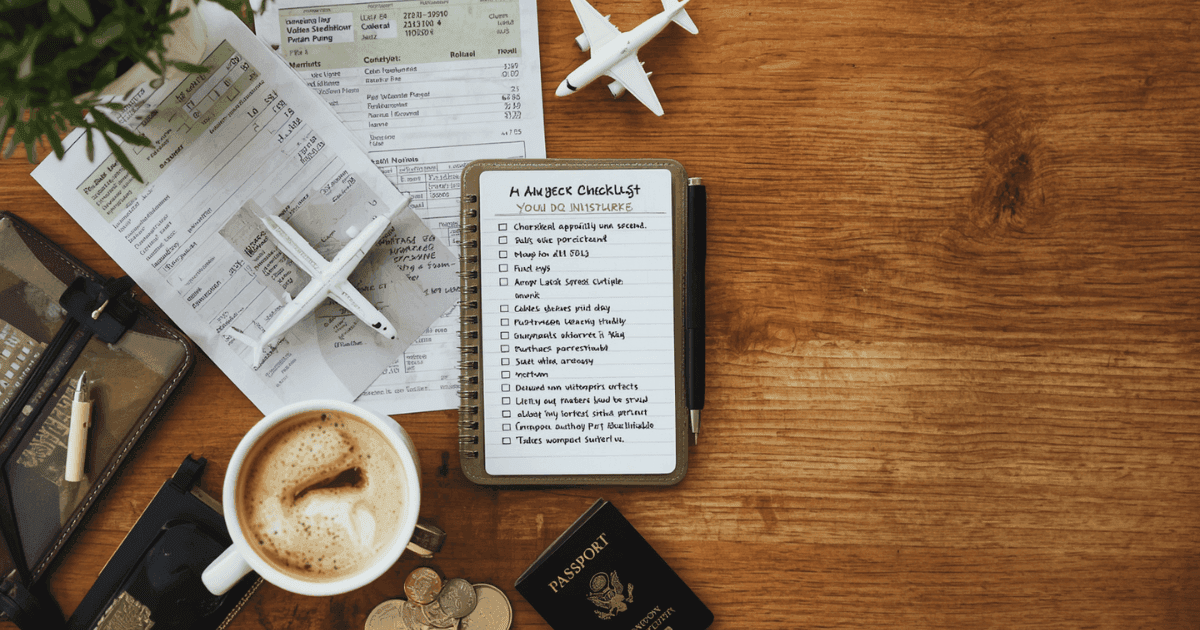
Essential Receipts to keep for your travel insurance claims
Traveling is full of wonderful experiences—but sometimes it also comes with unexpected disruptions. Flight delays are uncommon, so with lost baggage, medical emergencies, or trip cancellations. These can happen even to the most careful traveler. When they do, having the right travel insurance matters. And keeping the right receipts can make a difference between a fast, hassle-free travel insurance claim and a delayed or even denied one.
Many travelers assume their boarding pass or insurance policy is enough. In reality, your travel insurance provider may require proof of the expenses you're claiming. Keeping digital or physical copies of important receipts can save you time, stress, and money.
This article intends to provide you a guide on the essential receipts to keep while traveling, and why they matter.
Why Receipts Matter in Travel Insurance Claims
When filing an insurance claim, documentation is important. Travel insurance reimburses eligible expenses that are supported by documents. Receipts help verify:
The amount you paid
The amount you paid
The date of purchase
The service or item purchased
The merchant or service provider
Without proof of payment, your insurer may not be able to reimburse your eligible expenses, even if your claim is evaluated as valid.
Pro Tip: When traveling, create an album on your phone where you can keep copies of important documents. Photograph every receipt using your phone as soon as you receive it and keep it in that album. Paper receipts can fade, get wet, or be lost during your trip.
1. Flight Tickets and Boarding Passes
These are among the most important travel documents to keep.
They help prove:
Your scheduled itinerary
Your actual travel dates
That you boarded (or attempted to board) your flight
They're commonly required for claims involving
Flight delays
Missed connections
Trip interruption
Trip cancellation (depending on circumstances)
Keep copies of the following documents as proof that you bought the ticket, checked-in for boarding, received airline cancellation notices or rebooked your flight:
E-ticket confirmations
Boarding passes
Airline delay or cancellation notices
Rebooking confirmations
2. Hotel and Accommodation Receipts
Always ask for an official receipt or invoice from your hotel, hostel, Airbnb (where applicable), or other accommodation provider.
These receipts may support claims for:
Trip interruption
Trip cancellation
Additional accommodation expenses caused by covered travel delays
Emergency lodging
Ideally, the receipt should include:
Dates of stay
Amount paid
Property name
Guest name
3. Medical Bills and Pharmacy Receipts
Unless your travel insurance has a cashless emergency medical benefit, which means you need to organize your own hospitalization or medical needs, keep receipts for expenses involving:
Keep every document, including:
Medical invoices
Consultation receipts
Hospital bills
Prescription receipts
Laboratory or diagnostic receipts
Also keep:
Medical reports
Diagnosis certificates
Discharge summaries
Prescriptions
These documents help support medical expense claims and demonstrate that the treatment was necessary.
4. Transportation Receipts
If your emergency situation require additional transportation, keep receipts of the following:
Taxi fares
Ride-sharing services
Airport transfers
Train tickets
Bus tickets
These receipts may become important if additional transportation expenses arise because of a covered event, such as a flight delay or medical emergency.
Digital receipts from ride-sharing apps are usually acceptable, so don't delete those emails.
5. Receipts for Essential Purchases Due to Baggage Delay
One of the most common travel inconveniences is delayed baggage. If your luggage arrives many hours later (usual wait is 6 hours)—or even the next day—you may need to purchase essential items such as:
Clothing
Toiletries
Medication (if applicable)
Basic personal necessities
Keep every receipt.
Many travel insurance policies provide reimbursement for reasonable emergency purchases while waiting for delayed baggage, subject to the policy's terms and limits. Make sure you are aware what these terms and conditions are.
6. Receipts for Lost or Damaged Personal Belongings
If personal belongings are lost, stolen, or damaged during your trip, documentation becomes even more important.
Keep receipts for valuable items such as:
Cameras
Laptops
Tablets
Mobile phones
Watches
Travel gear
If you no longer have the original receipt, supporting documents like warranty records or purchase confirmations may also help establish ownership and value.
7. Travel Tour and Activity Bookings
If you've prepaid for tours or activities, retain:
Booking confirmations
Payment receipts
Cancellation notices
These documents may support claims when prepaid travel arrangements become non-refundable because of a covered reason.
Examples include:
Guided tours
Theme park tickets
Museum passes
Cruise excursions
8. Car Rental Documents
If you're renting a vehicle overseas, keep copies of:
Rental agreement
Payment receiptamage report (if applicable)- needed for liability cover that may be included in your travel insurance plan.
Repair invoices
Police report (when required)
These documents may become important if an incident occurs during your rental period.
9. Official Airline or Carrier Notices
Sometimes the receipt alone isn't enough. Your airline might announce flight cancellations, mechanical delay, weather distruptions, etc.
Request written confirmation or download the notification from the airline's app or website.
Some of these situations like mechanical delays, may not be covered by your insurance policy so please check the terms and conditions of your travel insurance plan. Overall however, these notices often strengthen your travel insurance claim.
10. Police Reports
If your belongings are stolen, report the incident immediately to the local police. You may need to obtain the following:
Police report
Incident report number
Official receipt or acknowledgment
Travel insurance companies frequently require police documentation when processing theft claims.
Pro Tip: Don ‘t wait to get home to notify your insurer. Do it as soon as the event happens. And store everything digitally!
What If You Lose a Receipt?
First, don't panic. Some insurers do pay claims without receipts, based on their threshold (usually a token amount). Depending on the expense, you may still be able to use the following in lieu of a receipt:
Credit card statements
Email confirmations
Digital invoices
Online booking records
While these may not replace every receipt, they can often help support your claim.
Know What Your Policy Covers
Not every expense supported with a receipt automatically qualify reimbursement. Travel insurance generally covers expenses that arise from covered events and are subject to your policy's terms, conditions, exclusions, and benefit limits. Hence, it is important to know what your travel insurance benefits and limits are.
Before you travel, make sure you do the following:
1. Read your policy carefully. If you cannot understand it, ask the travel agent or insurance company to explain it to you. You may also want to hit the FAQ section of your travel insurance plan for quick understanding.
2. Understand the documentation required for each type of claim. You will see this in the claims section of the travel insurance company’s website. Make sure you familiarize yourself with it before your travel inconvenience or emergency happens.
3. Contact your insurer's emergency assistance provider immediately if a major incident occurs during your trip.
Travel Smart, Claim Smarter
The excitement of traveling often means receipts end up crumpled in pockets or thrown away. But those small pieces of paper—or their digital copies—can become some of the most valuable items you bring home.
Whether it's a delayed suitcase, an unexpected illness, or a cancelled flight, having complete documentation helps make the claims process smoother and gives your insurer the information needed to assess your claim quickly.
The best travel memories should be the souvenirs you keep—not the paperwork you wish you hadn't thrown away.
Planning Your Next Trip?
Choose a travel insurance policy that offers comprehensive protection for medical emergencies, trip disruptions, baggage-related incidents, and travel inconveniences.
Before you fly, take a few minutes to organize your important travel documents and receipts. It's a small habit that can make a big difference when the unexpected happens.